NZIBF Deeply Disappointed by New US Tariffs on New Zealand Exports
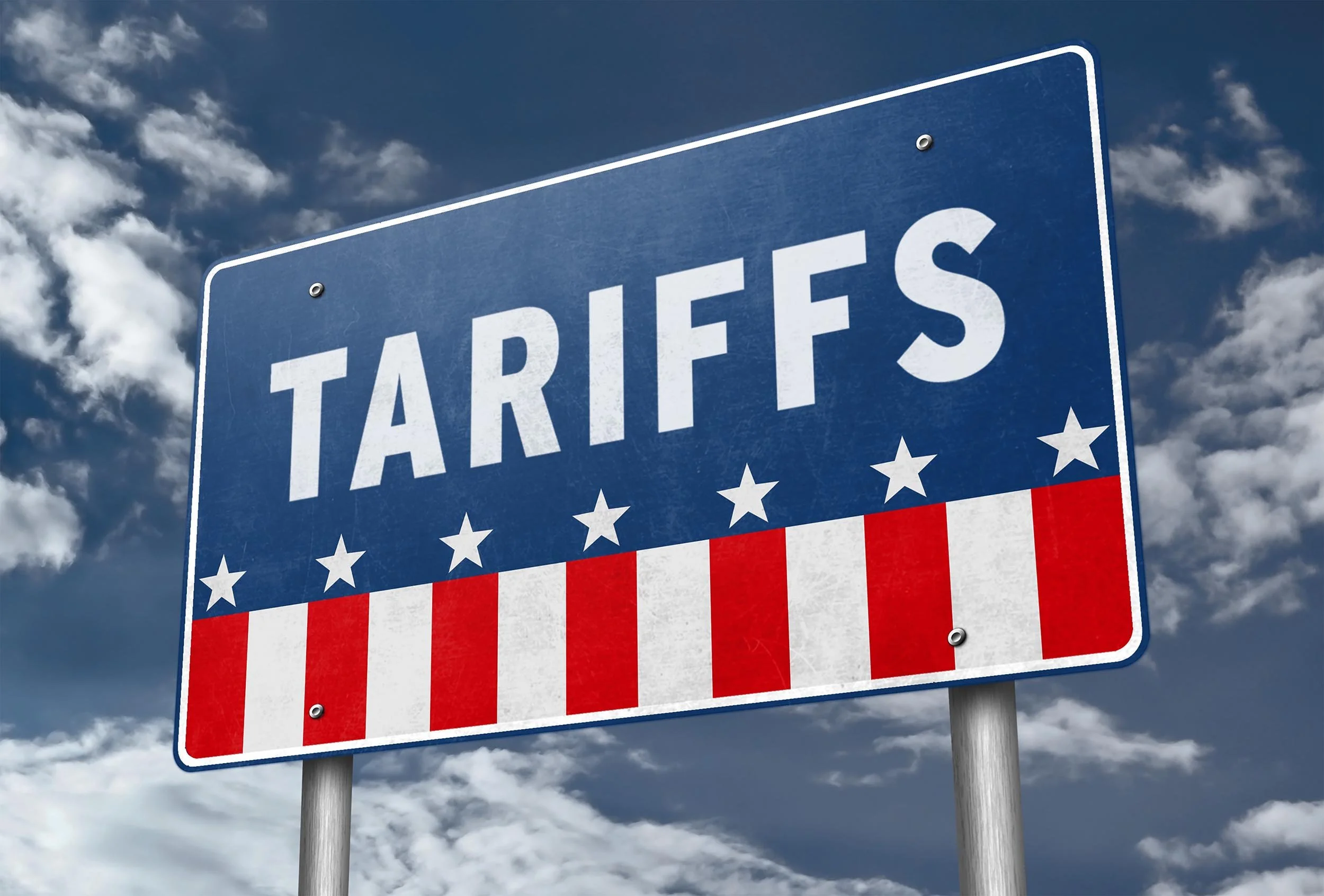
The New Zealand International Business Forum (NZIBF) has expressed its deep disappointment at the United States’ decision to impose a new 15% unilateral tariff on New Zealand goods — a move that places New Zealand exporters at a clear commercial disadvantage.
“This outcome is deeply disappointing,” said NZIBF Executive Director Felicity Roxburgh. “It strikes at the heart of a fair and predictable international trading environment and will cause real pain for New Zealand exporters.”
The tariff, introduced under the US Trade Representative’s reciprocal tariff provisions, affects a range of New Zealand products entering the US market. NZIBF considers the methodology used to establish these tariffs questionable and lacking in transparency.
“New Zealand businesses have built their international reputations on the foundations of open, fair, rules-based trade, delivering high-quality, premium goods that are valued by US consumers,” said Ms Roxburgh. “This decision undermines that system and introduces a troubling degree of uncertainty.”
While full details are still emerging, the impact is expected to be significant, particularly for sectors for which the US is a key destination for high-value exports. A growing concern is that New Zealand exporters may now be at a disadvantage compared to competitors from countries such as Australia, the UK, and Chile.
“New Zealand companies have done a great job managing the 10% additional unilateral tariff to date, but tariffs add real costs to business. There isn’t endless ability to pass cost on or headroom for exporters to absorb new costs — many will face serious commercial pain from this decision.”
The Forum welcomes assurances from the Minister that he will be urgently engaging with counterparts in Washington. NZIBF will also work closely with the Government to help navigate this concerning new development. “This is a moment where principles matter,” she added. “But we also have important commercial interests in standing up for the global trading system, which is under serious pressure”.